
Bulgaria Joins the Eurozone
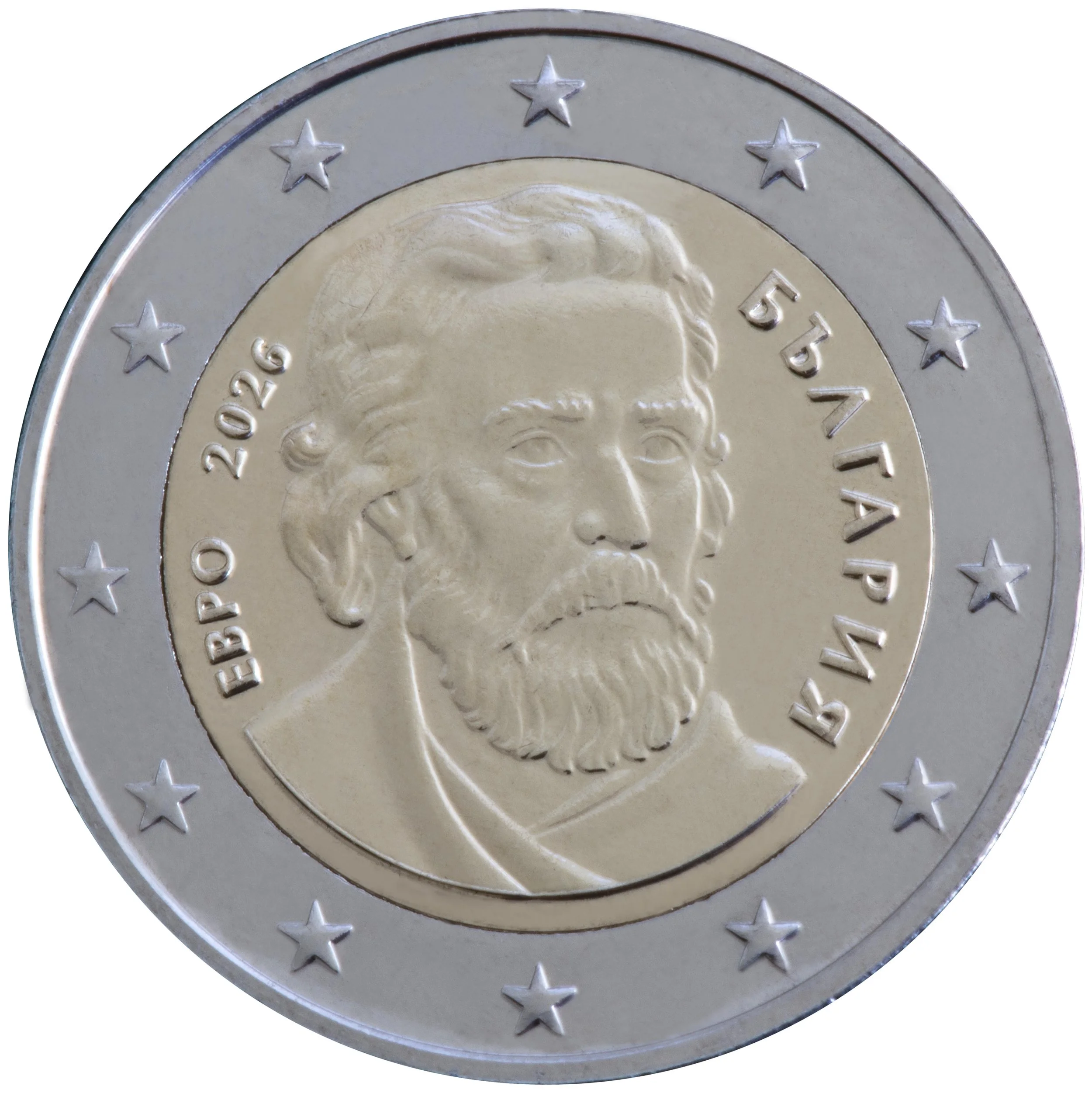
Bulgaria officially became the 21st member of the euro area by changing its currency to the euro on the 1st of January 2026. This marks a new stage in the country’s economic integration within the EU internal market.
From Commitment to Approval
Ever since joining the EU in 2007, Bulgaria has been legally committed to adopting the euro once the Maastricht convergence criteria were fulfilled. The main criteria include price stability, sound public finances, exchange-rate stability and long-term interest rates. Monetary stability was ensured by a currency board arrangement, with the Bulgarian lev fixed to the euro. Bulgarian authorities, however, requested additional assessments from the European Commission and the European Central Bank to ensure a smooth and credible transition.
The final political approvals were completed in July of 2025, when the EU Council adopted the necessary legislative decisions enabling Bulgaria’s entry into the eurozone. At the same time, the official conversion rate was set at 1 euro = 1.95583 lev.
Managing the Changeover
The changeover has been managed carefully by a short dual circulation period lasting until the end of January 2026. This allows both currencies to be used in parallel, while mandatory dual price displays help consumers and businesses adjust and support price transparency.
Eurozone membership also brings important institutional changes. As the Bulgarian National Bank has joined the Eurosystem, this gives Bulgaria direct partipication in monetary policy decision making of the euro area via the European Central Bank.
New Business Possibilities between Finland and Bulgaria
The shared currency offers practical benefits in business by lowering barriers to market entry, improving predictability and supporting long-term planning and cooperation with local partners. These factors together are expected to support trade and investment, as well as enhance Bulgaria’s attractiveness as a business environment for Finnish companies.
Text: Jenni Tiainen, FinnCham Intern
Picture: European Central Bank